
Architecture of Isolation
The King in YellowThis flow traces how houses, studios, churches, streets, and gardens become emotional enclosures that reveal or conceal their occupants.
increasing Bearing strength in each event
 decreasing
Bearing strength in each eventdecreasingWashington Square Window
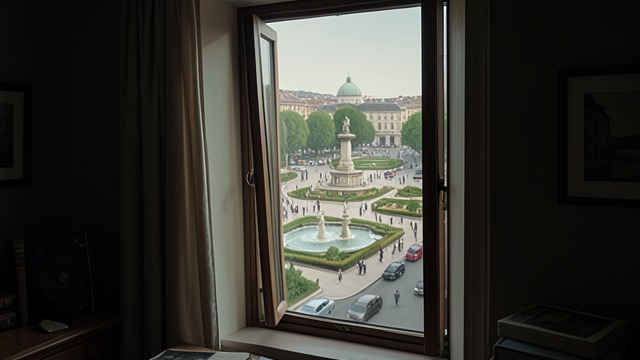
Washington Square Window
Hildred Castaigne observes Washington Square from his room and turns civic beauty into a stage for imperial fantasy.
Ordered Landscape
Gardens, barracks, fountains, and traffic embody the city's apparent stability.
Private Distortion
His window converts public order into evidence that the world awaits his command.
Marble Room
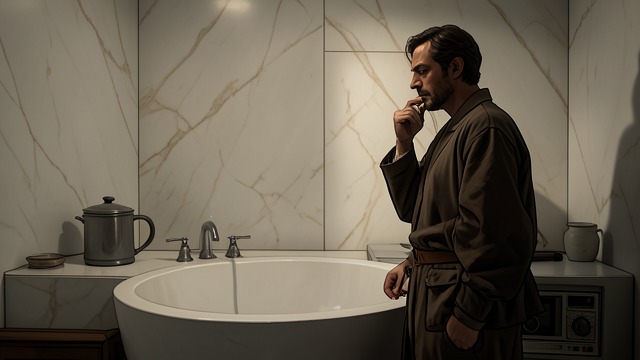
Marble Room
Boris Yvain's marble room contains the basin that joins artistic beauty to death.
Intimate Laboratory
Domestic space becomes a site of scientific transformation.
Emotional Concentration
The room stores the secrets that friendship cannot speak aloud.
Church Interior
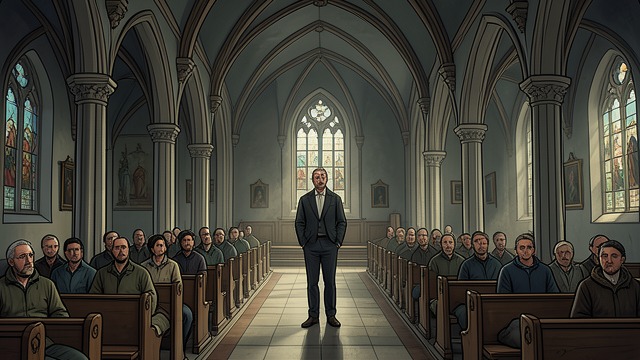
Church Interior
Church of St. Barnabé turns from refuge into a chamber of spiritual pursuit.
Public Worship
The congregation remains calm while the narrator perceives an impossible persecutor.
Unstable Sacredness
The architecture cannot guarantee safety once fear has entered perception.
Locked Studio
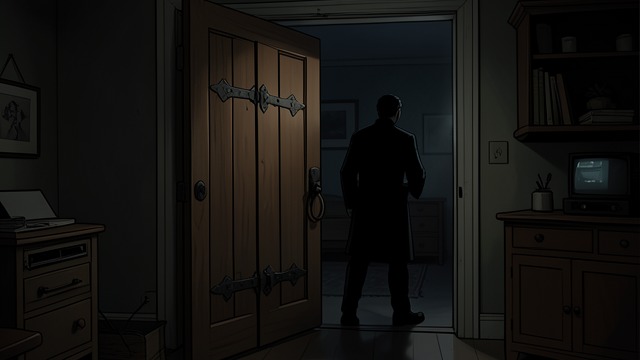
Locked Studio
Mr. Scott's studio becomes a sealed chamber against the watchman.
Failed Boundary
The door, bolts, and domestic interior offer only the illusion of protection.
Invaded Privacy
The supernatural intruder transforms a workspace into a place of death.
Blocked Street
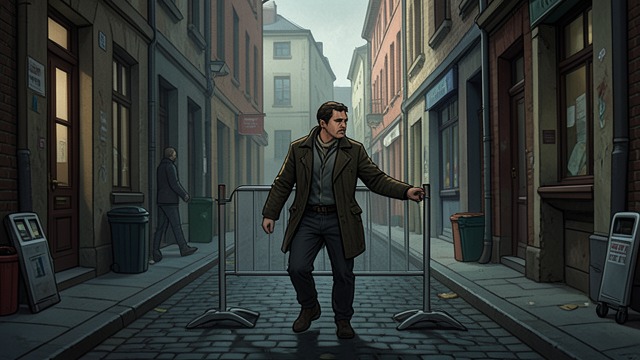
Blocked Street
The literal barrier marked Rue Barrée becomes the emotional destination of Selby's drunken pursuit.
Physical Obstruction
The street's closure materializes the limits that desire cannot cross.
Moral Boundary
Selby's eventual retreat from the white room confirms that self-knowledge can restore a boundary after recklessness.
During Hildred Castaigne's recovery
During Boris Yvain's experiments
During the sermon at Church of St. Barnabé
The final night of The Yellow Sign
Near the ending of Rue Barrée
